Temple News

ernakulam shiva temple kochis spiritual heart.jpeg
Temple News

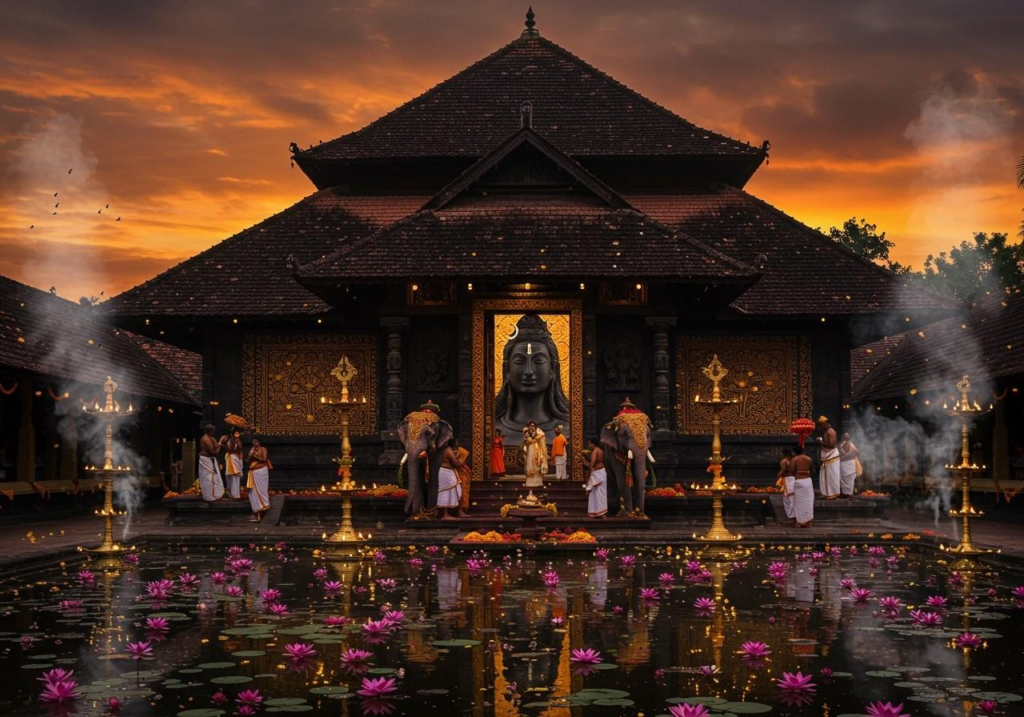
Ernakulam Shiva Temple- Kochi’s Spiritual Heart

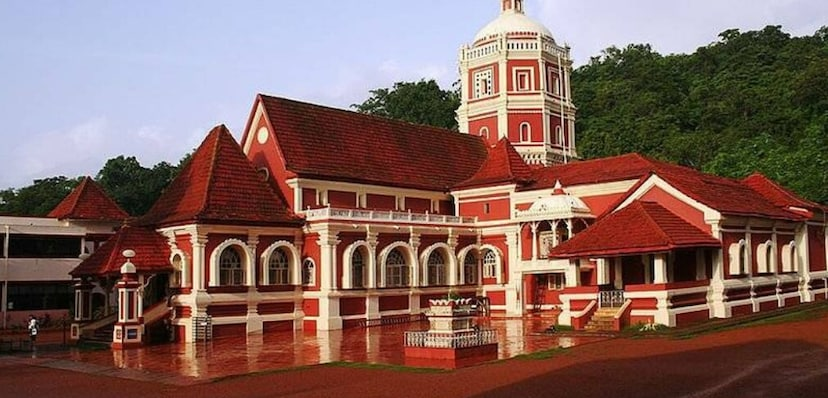
The Ernakulam Shiva Temple is one of the most revered spiritual landmarks in Kochi, holding a special place in the cultural and religious life of Ernakulam. Dedicated to Lord Shiva, worshipped here in the form of Shiva Lingam, the temple is believed to bestow peace, strength, and prosperity upon devotees. Its serene atmosphere amidst the busy city makes it a spiritual retreat for both locals and visitors. The temple is closely associated with the Cochin Royal Family and follows traditional Kerala temple architecture, featuring a beautifully crafted sanctum sanctorum and sacred surroundings. Daily rituals, poojas, and special offerings are conducted with great devotion, drawing devotees from across the district. The temple is especially famous for the Ernakulam Shiva Temple Festival, held annually during the Malayalam month of Dhanu, which includes vibrant processions, traditional music, and cultural performances. With its rich history, spiritual significance, and central location, the Ernakulam Shiva Temple stands as a symbol of faith and tradition, truly earning its reputation as Kochi’s spiritual heart.

listicle 1678423946837 hbnld 1040x500
Temple News

Chelamattom Shree Krishna Swamy Temple,

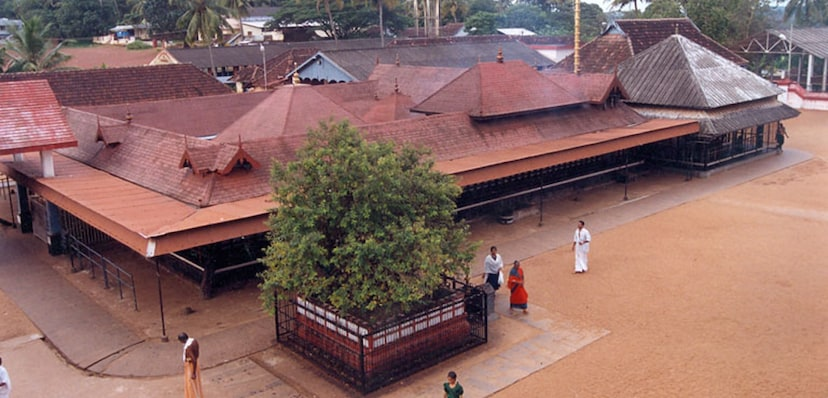
Chelamattom Shree Krishna Swamy Temple is a revered and ancient Hindu temple located at Chelamattom in Ernakulam district, Kerala, dedicated to Lord Krishna, worshipped here in his divine and benevolent form. Surrounded by serene village landscapes and traditional Kerala culture, the temple is a peaceful spiritual center that attracts devotees seeking blessings for prosperity, harmony, and spiritual growth. The temple has deep mythological and historical significance and is believed to be associated with ancient Brahmin settlements of central Kerala. The presiding deity, Lord Krishna, is worshipped in a charming and compassionate posture, symbolizing divine love, protection, and wisdom. Devotees strongly believe that sincere prayers offered at Chelamattom Shree Krishna Swamy Temple help overcome obstacles, bring peace of mind, and strengthen family bonds. Architecturally, the temple reflects the classic Kerala temple style, featuring a well-crafted sreekovil with a tiled sloping roof, wooden carvings, and a calm inner courtyard that enhances the spiritual atmosphere. The temple rituals and poojas are conducted strictly according to traditional Tantric practices, preserving centuries-old customs and religious discipline. The temple is especially vibrant during its annual festival, celebrated with great devotion and traditional grandeur. The festival includes special poojas, cultural programs, traditional percussion performances, and temple rituals, drawing devotees from nearby villages and towns. Important occasions such as Ashtami Rohini (the birth of Lord Krishna), Vishu, and Ekadashi are observed with special significance and large participation. Chelamattom Shree Krishna Swamy Temple is not only a place of worship but also a cultural and spiritual anchor for the local community. It plays a vital role in preserving Kerala’s temple traditions, fostering unity among devotees, and promoting values of devotion, humility, and righteousness inspired by Lord Krishna’s life and teachings.

listicle 1678423933054 v51lq 1040x500
Temple News

Chottanikkara Bhagavathy Temple

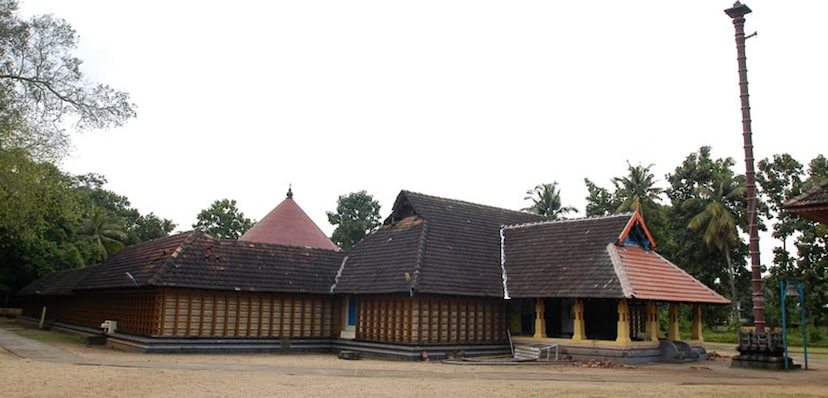
Chottanikkara Bhagavathy Temple is one of the most powerful and revered temples in Kerala, located at Chottanikkara near Thrippunithura in Ernakulam district. Dedicated to Goddess Bhagavathy (Rajeshwari / Saraswati / Durga), the temple is widely known for its spiritual energy and is especially famous for healing devotees affected by mental distress, negative influences, and emotional suffering. Thousands of devotees visit the temple daily, believing in the Goddess’s compassionate power to restore peace, strength, and clarity of mind. The presiding deity is worshipped in three different forms during the day—as Saraswati in the morning, Lakshmi at noon, and Durga (Bhadrakali) in the evening—symbolizing knowledge, prosperity, and protection. This unique practice makes Chottanikkara a spiritually distinctive temple, attracting devotees from across India. The main idol is made of black stone, adorned traditionally, and placed in a serene sanctum that radiates divine presence. The temple complex follows traditional Kerala architectural style, with a beautifully crafted sreekovil, sacred lamps, and a peaceful courtyard. A significant highlight of the temple is the Keezhkavu (lower shrine), where Goddess Bhadrakali is worshipped. This shrine is especially important for rituals aimed at relieving devotees from mental stress, fear, and negative energies. Rituals such as Guruthi pooja and special evening prayers are deeply associated with the temple’s healing traditions. One of the most important festivals celebrated here is Makom Thozhal, observed during the Malayalam month of Kumbham (February–March). The festival is marked by grand rituals, traditional music, temple processions, and a massive gathering of devotees. Other major occasions include Navaratri, Mandala Kalam, and special Fridays, which are considered highly auspicious. Chottanikkara Bhagavathy Temple is not just a place of worship but a center of faith, hope, and spiritual renewal. Devotees believe that sincere prayers offered here bring mental peace, protection from harm, and positive transformation in life. The temple stands as a symbol of divine compassion and healing, making it one of the most spiritually significant landmarks in Ernakulam district.

listicle 1678423917286 2oygp 1040x500
Temple News

Thrikkakara Vamanamoorthy

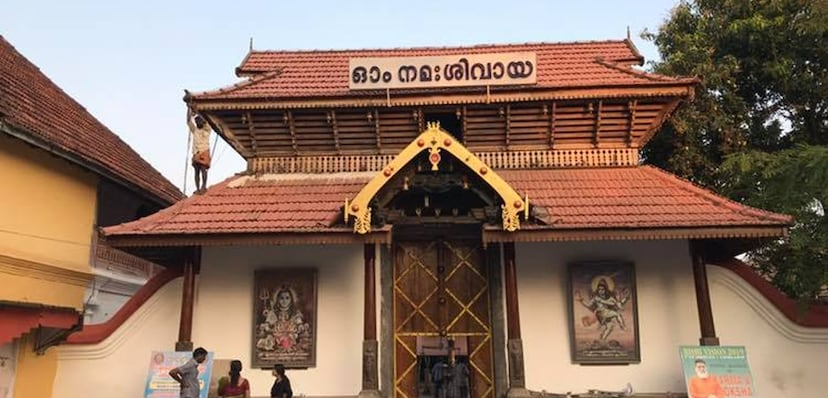
Thrikkakara Vamanamoorthy Temple is one of the most ancient and spiritually significant temples in Ernakulam district, Kerala, dedicated to Lord Vamana, the fifth incarnation of Lord Vishnu. Located at Thrikkakara, near Kakkanad and Edappally, the temple holds immense religious importance, especially during the grand festival of Onam, as it is believed to be one of the main centers associated with the legendary King Mahabali and the divine Vamana avatar. According to Hindu mythology, Thrikkakara is one of the few sacred places where Lord Vamana placed his foot during his cosmic act of measuring the universe in three steps to subdue King Mahabali. The presiding deity, Vamanamoorthy, is depicted in a rare and powerful posture, symbolizing humility, righteousness, and divine justice. The temple’s name itself is derived from “Thrikkakara,” meaning “the sacred land where the foot was placed,” making it a site of deep mythological relevance. The temple showcases traditional Kerala-style architecture, with a serene sanctum sanctorum (sreekovil), wooden carvings, sloping tiled roofs, and a peaceful courtyard that reflects Kerala’s temple aesthetics. The atmosphere is calm and spiritually uplifting, attracting devotees from across Kerala and beyond. The rituals and poojas are conducted strictly according to traditional temple customs, preserving centuries-old practices. Onam celebrations at Thrikkakara Vamanamoorthy Temple are considered the most important in Kerala. During the Onam season, the temple becomes the focal point of cultural and religious festivities, symbolizing the annual homecoming of King Mahabali. Special poojas, offerings, and cultural programs are organized, and thousands of devotees visit the temple during this period to seek blessings for prosperity, harmony, and well-being. Apart from Onam, the temple also observes other important festivals such as Vishu, Navaratri, and special Ekadashi days, drawing regular devotees throughout the year. The temple is not only a place of worship but also a cultural landmark that reflects Kerala’s rich traditions, spiritual heritage, and deep-rooted belief systems. Today, Thrikkakara Vamanamoorthy Temple stands as a spiritual and cultural treasure of Ernakulam, blending mythology, devotion, and history. It continues to inspire faith and reverence, reminding devotees of values such as humility, generosity, and devotion, which are central to the legend of Lord Vamana and King Mahabali.

listicle 1678423925736 c3oji 1040x500
Temple News

Tales of Lord Siva, Arjuna and the ‘serpent’ rishi

ERNAKULAM: Situated in the heart of Kochi, the Ernakulam Siva Temple is one of Kerala’s foremost Hindu shrines. According to belief, the presiding deity ‘Ernakulathappan’ is the protector of the city.“Lord Siva is called the ‘Desha naadhan’ (one who protects the city), and that’s how the name Ernakulathappan (Father or Lord of Ernakulam) came to be,” says Ernakulam Kshetra Kshema Samithi president Rajendra Prasad. “The temple’s energy radiates across the region.” The current temple structure was constructed in the 19th century, and was one of the seven royal shrines of the Kochi maharajas. As per legend, the temple is linked to the Mahabharata. To test the devotion of Arjuna, Lord Siva disguises himself as ‘Kiratha’, a revered tribal hunter form. Lord Siva sees a wild boar charging towards Arjuna. Both shoot arrows at the boar. An argument ensues over who killed the boar, and that leads to a battle. As Kiratha emerges victor, Arjuna makes a Shivling out of the mud and performs a pooja. Pleased by Arjuna’s devotion, Lord Siva blesses him with the Pashupatha Arrow. “This story is quite popular, but it is unclear whether Shivling at the temple was made by Arjuna. It is also believed that it came from the earth by itself (Swayambhoo),” says Rajendra. He adds that the place where the temple stands was initially known as ‘Rishinagakulam’. It is believed that this name later evolved into ‘Ernakulam’. Legend says Devala, a sage who was trapped in a snake’s body after being cursed by his guru, once saw a Shivling submerged in the mud here. In the hope of redeeming himself from the curse, he began worshipping the Shivling. Seeing this, the natives named Devala ‘Rishi Nagam’. Finally, Lord Siva and Goddess Parvathi appeared and asked Devala to take a dip in the nearby pond for redemption. That’s how the area got the name Rishinagakulam. “Sage Villimangala Swamiyar was the first to offer prayer to Shivling here, and set up a temple,” says Rajendra. “There’s a story that he had a dreamt of this Shivling. He came down on a pilgrimage and found the Linga at Rishinagakulam. The same Shivling is worshipped even now.” Rajendra adds it is one the few temples where the deity faces the sea, towards the west. The temple is now under the maintenance of the Cochin Devaswom Board, and the grand annual festival here lasts for eight days, usually in January or February.

List
news
Home
Jobs
Contact